Claim Your Free Estimate Today
Discovering Harpster: A Small Town with Big Character
Uncovering the History and Heart of a Rural Village
A Community Shaped by Agriculture and Timber
Nestled in the heart of Wyandot County, this small village embodies the quiet resilience of rural Ohio. With a population hovering around 200 residents, the community traces its roots back to the late 19th century, when the timber and agricultural industries drew settlers to the region. The dense hardwood forests that once blanketed the area provided both livelihood and raw materials for early homesteaders, and remnants of that legacy remain visible in the mature oak, maple, and walnut trees that line country roads today.
The village sits in a landscape defined by gently rolling terrain and rich clay-loam soils, conditions that support both productive farmland and healthy forest stands. Spring brings heavy rains that test drainage systems and wash out gravel lanes, while summers can be humid and demanding on lawns and gardens. By late fall, property owners are often clearing fallen branches and preparing driveways for winter freeze-thaw cycles that crack pavement and heave stone.
This seasonal rhythm shapes how residents think about land management. Many homeowners here understand that maintaining a property means more than mowing grass. It requires grading for proper drainage, selecting native plantings that tolerate wet springs, and planning hardscaping projects around the realities of Ohio weather. For those considering landscape installation services or stone driveway work, timing projects between mud season and the first frost is often the difference between a smooth build and costly delays.
Life and Property Ownership in a Quiet Village
Living in this village means embracing a slower pace and taking a hands-on approach to property care. Homes here typically sit on larger lots, often an acre or more, with mature trees, open yards, and sometimes remnants of old outbuildings or fencelines from decades past. Newer residents moving from urban areas quickly learn that maintaining a rural property demands different skills and a different mindset than suburban homeownership.
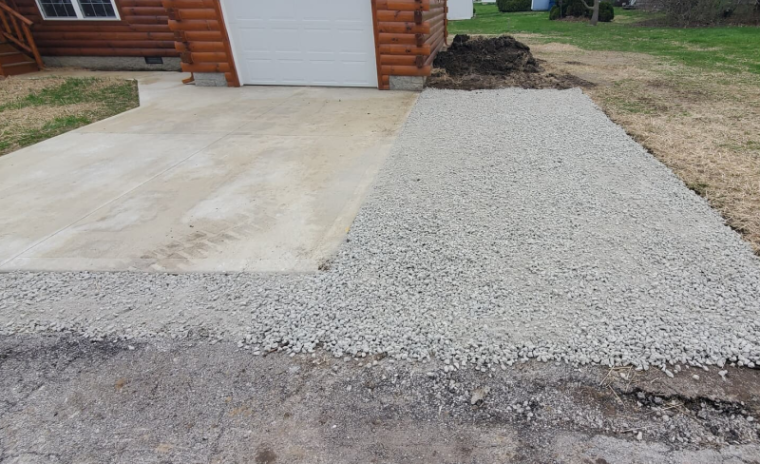
Driveways are a common challenge. Many older homes still have gravel or dirt lanes that turn to mud in April and May, requiring annual stone replenishment or a full conversion to a compacted aggregate base. Stone driveway installation has become a popular upgrade, offering durability and better water management than asphalt in freeze-prone regions. A well-built stone drive sheds water effectively and handles the weight of trucks hauling firewood or equipment without rutting.
Fencing is another priority for property owners here. Whether enclosing a garden to keep out deer, marking property lines along wooded edges, or providing privacy from the road, a well-built wood fence serves both function and aesthetics. Privacy fences constructed from quality lumber and set on proper footings can last 15 years or more in this climate, especially when installed by a fence builder who understands local soil conditions and frost depth requirements.
Yard grading and drainage work often goes hand-in-hand with other projects. The clay content in local soils means water doesn’t percolate quickly, and poorly graded yards can develop standing water or erosion channels after heavy rains. Addressing these issues early prevents foundation problems, driveway washout, and lawn damage. Many homeowners schedule dirt work and grading in late summer when the ground is firm and equipment can move easily across the property.
Outdoor Spaces That Reflect Rural Character
Outdoor living spaces in rural Wyandot County are less about formal landscaping and more about creating functional, durable areas that fit the land. Paver patios and hardscaping projects have grown in popularity as homeowners seek low-maintenance alternatives to wooden decks that rot in the humidity or concrete slabs that crack under freeze-thaw stress. A paver patio installed over a properly prepared base can handle decades of use and adapts well to uneven terrain common in older yards.
Retaining walls serve both aesthetic and practical purposes. Whether terracing a sloped yard to create usable lawn space, preventing erosion along a driveway, or defining garden beds, a well-built stone or block wall can transform a challenging property into a more functional homestead. Working with a hardscaping contractor who understands soil movement and water flow ensures these structures last without shifting or settling over time.
Lawn care here is straightforward but seasonal. Spring often means overseeding bare patches left by winter snow mold or mole activity, and topdressing with quality topsoil helps establish new grass before summer heat sets in. By late June, lawns enter a holding pattern, requiring regular mowing but little else until fall brings cooler temperatures and another window for seeding. Many property owners also manage larger open areas beyond the mowed yard, keeping brush cleared and trees trimmed to maintain sightlines and reduce tick habitat.
Tree work is an ongoing reality. Mature hardwoods are beautiful, but storms, disease, and age eventually bring limbs down or make removal necessary. Clearing debris after a windstorm or taking down a dying ash tree before it becomes a hazard is part of responsible property stewardship in a wooded area. For larger projects involving land clearing or tree removal services, timing the work during dry months minimizes soil compaction and site disturbance.
Why Land Management Matters in a Timber-Rich Region
Renovation and new construction projects in the village often involve working with older structures or clearing land that hasn’t been developed in decades. Many properties include old barns, sheds, or concrete foundations from torn-down buildings that need removal before new work can begin. Building demolition and concrete removal are essential first steps for homeowners planning to repurpose a site or expand their usable yard space.
Excavating contractors play a key role in these transformations. Whether digging a basement for a new garage, regrading a yard to improve drainage, or clearing brush and small trees to open up a wooded lot, proper excavation sets the stage for everything that follows. The heavy clay soils common in Wyandot County require experienced equipment operators who can work efficiently without creating drainage problems or leaving a site prone to erosion.
Debris removal is another practical concern. Rural properties accumulate brush piles, fallen trees, old fencing, and construction waste that can’t simply be hauled to the curb. Coordinating debris removal during a project keeps the site safe and allows work to proceed without obstruction. Many property owners schedule this service at the end of a large landscaping or clearing project to restore the property to a clean, finished state.
New fencing, decks, and outdoor structures complete many renovation projects. A custom wood fence can define a new yard boundary or enclose a pool or play area, while a well-built deck extends living space and takes advantage of rural views. Choosing materials that hold up to local weather and working with a fence installer or deck builder who understands code requirements ensures these investments deliver long-term value.
For those planning a project in the village or surrounding countryside, early planning around weather and ground conditions makes a significant difference. Spring mud, summer heat, and early winter freezes all constrain what’s possible. Fall, with its stable temperatures and drier ground, is often the ideal window for excavation, grading, and stone work. Taking the time to plan a project thoughtfully and work with local teams who know the land pays off in results that last.
Planning Your Property for the Long Haul
The forests and woodlots surrounding the village remain an integral part of the local economy and landscape. Many property owners in Wyandot County and neighboring areas own tracts of timber, some inherited, others acquired for investment or privacy. Managing these parcels well means understanding when to harvest, how to clear safely, and what to do with the land afterward. The window for logging work often falls in late winter or early spring, when frozen ground minimizes rutting and erosion, and landowners can move equipment without damaging soil structure.
Selective timber harvesting done right opens up new possibilities for the land. Once the trees are cut and logs removed, property owners frequently face questions about next steps: should they seed the cleared area, grade it for pasture, or prepare it for building? Some choose to level and seed with a mix of grass and clover to stabilize the soil and prevent washout during spring rains. Others opt for more intensive grading, especially if they plan to add a new structure, expand a driveway, or create an access road. Dirt work and proper drainage planning at this stage can save homeowners from costly fixes down the line, particularly on sloped parcels where water runoff can quickly carve gullies or flood low spots.
Debris removal is another key piece of land clearing projects. Stumps, brush piles, and tops left behind from logging can become fire hazards or obstacles if not handled promptly. Grinding stumps below grade and hauling away debris keeps the site clean and ready for the next phase, whether that’s planting, building, or simply maintaining the land as open space. For property owners looking to turn a wooded lot into a functional yard or workable acreage, working with a landscaping contractor who understands both timber operations and site preparation makes the transition smoother. The combination of logging expertise and land grading services allows for a coordinated approach, reducing the number of contractors needed and ensuring the site is left in usable condition. If you’re considering clearing timber or improving raw land in the area, we invite you to get in touch to discuss your project goals and explore how thoughtful land management can unlock the potential of your property.